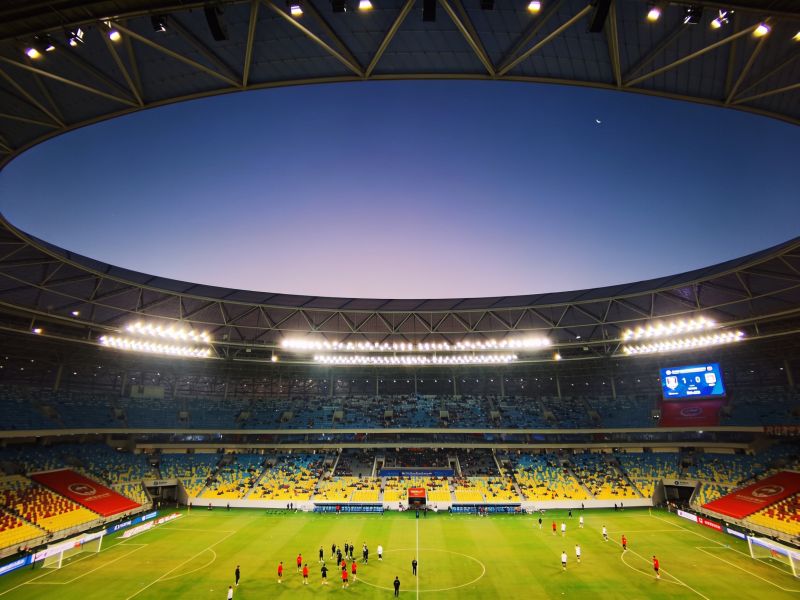
he 2026 World Cup final will not be won by the team with the best expected goals model. I've watched enough finals to know that. In 2014, Germany's sophisticated data analytics predicted a comfortable win over Argentina—what they got was 113 minutes of stalemate before Mario Götze's late strike. Data pointed to a German victory, sure, but it couldn't predict the exhausted legs, the frayed nerves, or the way Javier Mascherano almost single-handedly held the midfield together. That's the problem with World Cup Final Prediction: the variables that matter most—fatigue, pressure。a single moment of genius—refuse to fit neatly into a spreadsheet.Bookmakers and pundits will spend the next two years refining their models. France, Spain, and Brazil will top most algorithmic rankings. Argentina will be there too, though Lionel Messi's retirement leaves a creative void that no amount of statistical smoothing can fix. England?
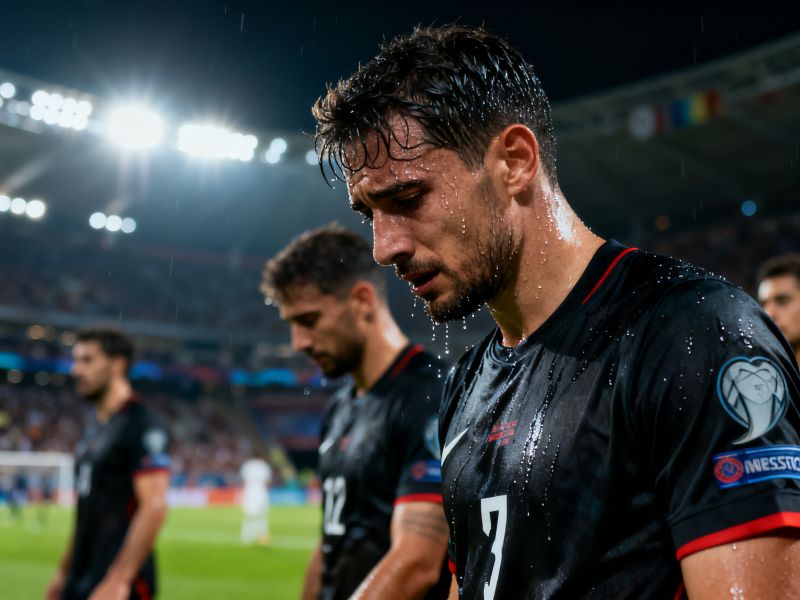
Their tournament record since 2018 suggests they've learned to grind out results。but grinding doesn't win finals—just ask the 2020 Euro squad, who dominated possession against Italy and still lost on penalties. My gut says the eventual champion will come from a team that can absorb pressure and strike on the counter, not one that tries to control every minute. That's a qualitative judgment, not a quantitative one.Consider the venue: 2026 is spread across the United States, Canada, and Mexico. Heat。travel, and altitude will punish squad depth in ways European club football rarely does. A World Cup Final Prediction that ignores logistics is just fantasy football. I spent a week in Mexico City last summer—the altitude at 2,240 meters is no joke. Teams with high-pressing styles will fade in the second half of knockout matches. That's why I lean toward a side with a deep bench and a manager willing to rotate, perhaps Spain or a fully fit France. Brazil's attacking talent is dazzling, but their defense looked wobbly against Croatia in 2022. Fine margins, again.What about the unpredictability factor?
The 2022 final between Argentina and France was, by any pre-match metric, a coin flip. It ended 3-3 after extra time, with two penalties and a last-minute equalizer. No model predicted that exact script. My take: the 2026 final will be tighter than people expect, decided by a set piece or a goalkeeping error. You can't algorithmically predict a keeper flapping at a corner. So when you read any World Cup Final Prediction in 2025 or 2026, treat the percentages with skepticism. The human elements—a captain's halftime speech。a referee's lenient card policy, a striker's lucky bounce—will write the final chapter. That's not a flaw in the sport;it's the whole point.