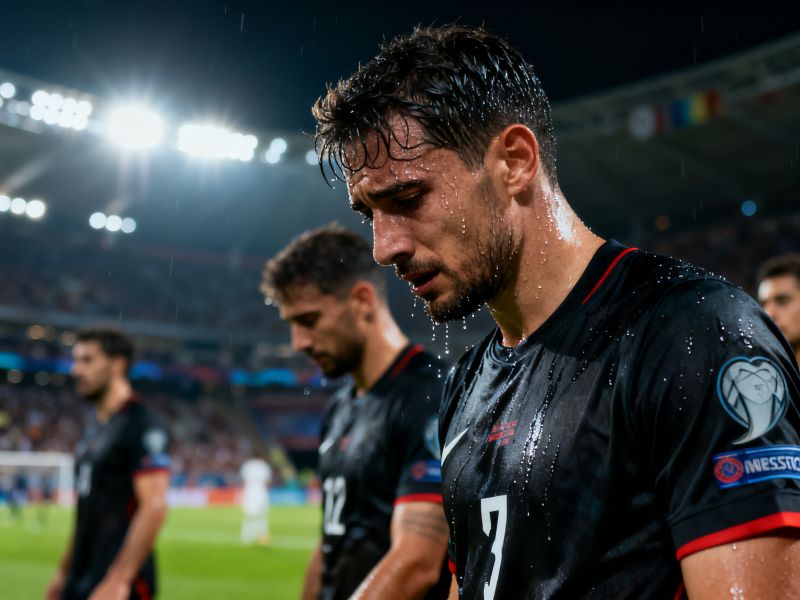
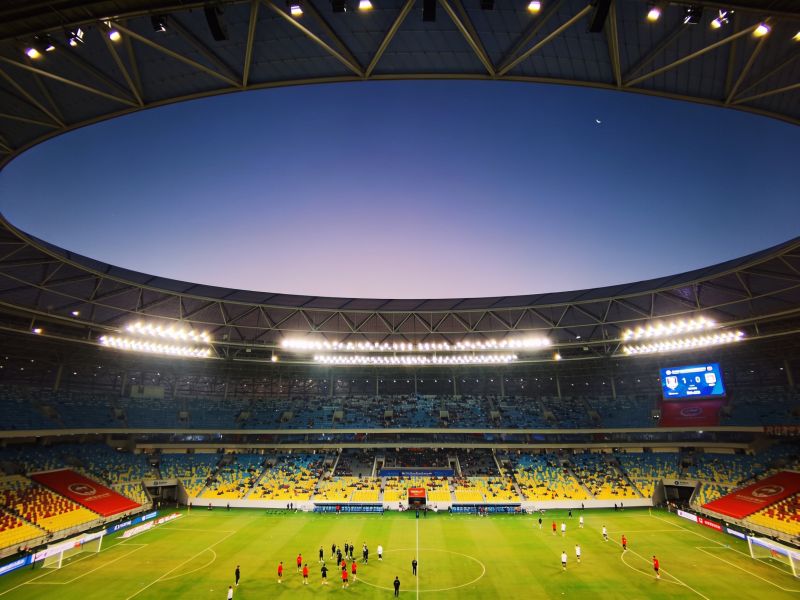
he 2027 Asian Cup qualifiers are not a stage for the timid. Third-round matches across the continent have already produced more red cards than the previous two editions combined, and the reason is not hard to find. For half the competing nations, the qualifiers represent a rare shot at global relevance, and they defend it with a ferocity that borders on chaos. I watched Kyrgyzstan hold Oman to a 1-1 draw in Bishkek last month, and the pitch was less a football field than a pressure cooker. Every tackle carried the weight of a federation's budget。every misplaced pass drew a groan from a crowd that knew exactly what was at stake.Asian Cup Football Qualifiers typically follow a predictable script for the continent's giants. Japan, South Korea, Iran, and Australia usually navigate the group stage with minimal fuss, rotating squads and experimenting with formations. That pattern has held again this cycle。
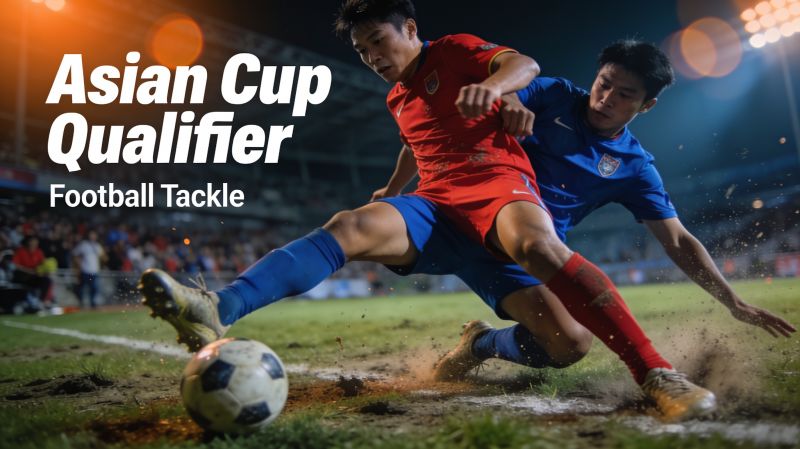
but the margins are thinner. Japan's 2-0 win over North Korea in Pyongyang was decided by two set pieces in the final fifteen minutes. South Korea needed a 94th-minute penalty to beat Thailand in Bangkok. These are not the emphatic scorelines of previous campaigns, and coaches are noticing. "Every team now has a video analyst and a fitness coach," one Asian Football Confederation official told me on condition of anonymity. "The gap in preparation has closed even if the gap in talent hasn't."The real drama, as always, sits in the third-place playoff race. Consider Palestine. Despite training facilities that are makeshift at best and travel restrictions that would break most federations。they sit second in their group after a gritty 1-0 win over Lebanon in neutral Doha. Their coach, Makram Daboub, has built a side that defends with desperate discipline and counters with surprising speed. I spent an hour watching their training session in Doha, and the intensity of their small-sided drills was jarring. No player jogged. No one chatted between repetitions. This is what the Asian Cup Football Qualifiers mean for teams without infrastructure: a chance to force the continent to pay attention.Refereeing has become an unexpected flashpoint. The AFC's decision to deploy additional assistant referees behind the goal line in all third-round matches has generated confusion rather than clarity. In the Iraq vs. Vietnam match in Basra, a clear handball inside the penalty area was waved away by the referee despite the assistant standing three meters away. Iraq's coach, Jesús Casas。was booked for his protests. The incident sparked a formal complaint from the Vietnamese federation and renewed debate about consistency across confederations. My take: the technology is not the problem. The lack of a unified interpretation of the handball law is. Until referees across Asia apply the same standard, these controversies will keep piling up.
What happens next matters more than any single result. The fourth round of qualifiers will send six teams directly to the 2027 tournament in Saudi Arabia。while the fifth round offers a backdoor through a playoff bracket. For teams like India, Lebanon, and Tajikistan, the Asian Cup Football Qualifiers are not about winning the trophy. They are about securing the two-year funding cycle that comes with qualification. Miss out, and youth programs shrink, foreign coaches leave, and the cycle of underinvestment deepens. I have seen this movie before in Southeast Asia, where a single missed qualification set Thai football back half a decade. The qualifiers are unforgiving because the consequences are not just sporting. They are existential.